If you are thinking about buying at Bayfront in Naples, condo rules deserve just as much attention as the view, floor plan, or location. A community can look like a perfect fit on paper, but the day-to-day policies around pets, parking, rentals, and building access can shape how you actually live in the property. This guide walks you through the public-facing Bayfront rules, the key questions to ask, and how Bayfront compares with a nearby downtown option so you can do your homework with confidence. Let’s dive in.
Bayfront Basics to Know
Bayfront Place Condominium Association is located at 401–499 Bayfront Place, Naples, Florida 34102. According to the community website, Bayfront sits in the heart of Old Naples and is within a short walk of destinations like 5th Avenue, Tin City, Baker Park, and Naples beaches.
Public Bayfront materials say the community was built in 2000, includes 156 condos, spans 4 buildings, and has 2 parking garages. The same public guide explains that each condo has 1 assigned parking space in the gated garages, with guest or second-vehicle parking on the lower garage level. Bayfront is also a mixed-use community, with retail and commercial space as part of the property environment.
One important detail stands out right away. Bayfront’s website makes clear that the full Rules & Regulations are available through the owner portal, so public materials should be treated as a summary, not the final word. You can review public downloads like the tenant quick reference guide, parking assignments, and storm protocols through Bayfront’s site.
Bayfront Rental Rules Matter
If you plan to use your condo as a seasonal rental, annual rental, or part-time residence with tenants, Bayfront’s public rules deserve close review. Rental-friendly does not always mean lifestyle-flexible, and Bayfront’s public materials show some clear boundaries.
According to the public tenant rules, renters may use both pools, the tennis and pickleball courts, the clubhouse, the gym, and the showers and restrooms. The clubhouse may be reserved through the property manager for a $250 refundable cleaning fee, while the pool and gym cannot be reserved.
The biggest lifestyle limitation in the public rental rules is the pet policy. Bayfront’s tenant materials state that no pets of any kind are permitted in rental units, and that includes visitor pets. The same guide also says guests may not bring pets onto the premises.
For some buyers, that may be a minor issue. For others, especially investors or owners planning to lease the property, it can be a major decision point. If your rental strategy depends on attracting tenants with pets, this rule could directly affect how you use the property.
Questions to Ask About Bayfront Rentals
Before you move forward, ask for clarity on:
- Current leasing approval procedures
- Any minimum lease term requirements in the governing documents
- Whether rules differ for owners versus tenants
- How guest access is managed during tenant occupancy
- Whether any rental-related fees or application steps apply
Because public materials are only part of the picture, the governing documents should confirm the final rental framework.
Parking and Access Are Tightly Managed
Parking is another rule area that buyers should understand early. In a downtown mixed-use community, parking rules can affect convenience more than many buyers expect.
Bayfront’s public materials state that each unit receives one assigned garage space. They also note that the lower garage level is used for second vehicles and guest parking, and that courtyard parking is prohibited under the tenant rules.
The public tenant rules also cap vehicles at two cars per unit. For buyers with multiple vehicles, frequent guests, or seasonal household turnover, that is worth reviewing in detail before closing.
Storage within garage spaces is also limited. The tenant quick reference guide says garage-space storage is not allowed except for the owner’s car and bicycles, and bicycles must have a Bayfront sticker and stay within the marked parking boundaries.
Building Access and Move-In Practicalities
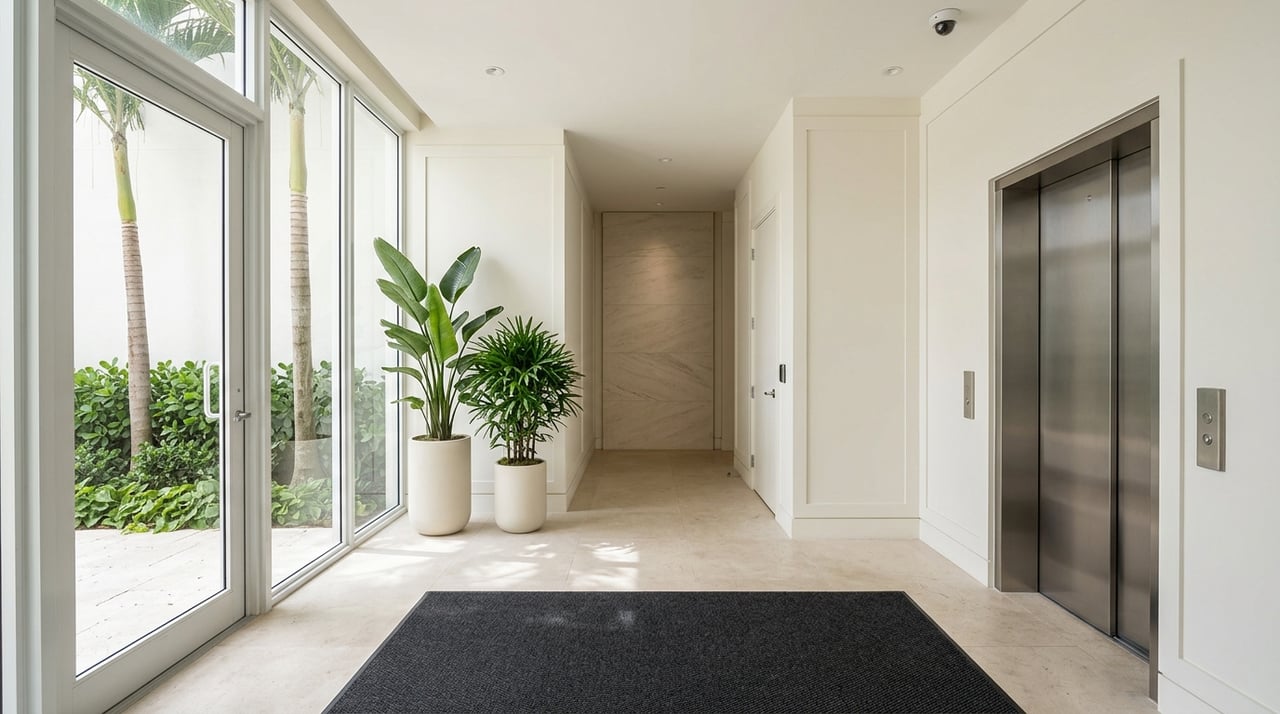
Bayfront uses an access-control system built around green keys. The public guide says those keys open the building lobby, service elevator, garage, recycle area, pools, and clubhouse.
The same guide notes that each building includes a service elevator for furniture moves, building materials, and contractor services. That suggests move-ins, renovations, and delivery logistics may follow a more structured process than you might see in a smaller residential building.
If you are buying with renovation plans in mind, this matters. A more formal building process can be helpful for order and security, but it can also affect scheduling, contractor access, and project timing.
Design and Use Rules Can Affect Daily Living
Some condo rules seem minor until you are living with them every day. At Bayfront, several public use restrictions shape how owners, renters, and guests can use outdoor and common areas.
The public tenant rules prohibit personal items in walkways, parking areas, and stairways. They also prohibit hanging clothes, towels, or other items over railings or lanais.
Smoking is also addressed. Bayfront’s public tenant rules prohibit outdoor smoking on lanais, stairways, and walkways.
Grilling rules are another practical item. The public rules ban gas grills, charcoal grills, and flammable liquids, except for grills provided at the pool areas.
These policies are common in many condominium communities because they relate to safety, appearance, and shared use. Still, they are worth reading carefully so your expectations match the way the building operates.
Mixed-Use Living Comes With Tradeoffs
Bayfront’s setting is a major draw, but the same features that make it appealing can also create questions for buyers. Public information describes Bayfront as a mixed-use community with retail space and special events, festivals, and concerts as part of the property environment.
That can add energy and convenience to daily life. At the same time, if you are sensitive to activity levels, shared circulation, or traffic flow, it makes sense to ask how the association manages those realities.
This is not a published rule issue so much as a due diligence issue. Buyers should ask practical questions about event impacts, resident access during busy periods, and how commercial and residential spaces function together.
Financial and Structural Due Diligence Is Essential
Condo rules are only one piece of the decision. You should also review the association’s financial and structural information before you commit.
Bayfront’s FAQ page confirms that owners pay quarterly assessments, with payment options that include bank autopay, bank bill pay to a lockbox, or mailed check. However, the public FAQ does not list the current assessment amount or any recent special assessment history.
Florida law gives buyers and owners important rights around document review. Under Florida Statute 718.503, a prospective buyer is entitled to current copies of key condominium documents, including the declaration, articles of incorporation, bylaws, rules, and financial information. The statute also requires disclosure about milestone inspections and structural integrity reserve studies when applicable.
Florida law also requires condominium associations to maintain official records, and reserve accounts are addressed in the state’s annual budget requirements under Florida Statute 718.111. In addition, Florida Statute 718.112 outlines structural integrity reserve study requirements for applicable associations.
Because Bayfront was built in 2000, buyers should specifically ask about current inspection and reserve-study status. Collier County’s milestone inspection guidance states that condominium buildings with three or more habitable stories are subject to mandatory inspections, with timing based on age and proximity to saltwater.
Bayfront Document Checklist for Buyers
Before you buy at Bayfront, ask to review the following items:
- Current declaration
- Bylaws
- Rules and regulations
- Current budget
- Reserve schedule
- Latest structural integrity reserve study
- Latest milestone inspection summary
- Parking assignment map
- Rental application or approval process
- Pet rules
- Architectural review requirements
- Any special assessment history
This type of review is especially important at Bayfront because the public website signals that many governing materials are housed behind the owner portal. A careful document review can help you spot restrictions or costs that may not be obvious from a listing description alone.
How Bayfront Compares Nearby
A useful downtown comparison is Naples Square III. Its public website posts governing documents, financial information, insurance information, and board meeting minutes, which makes preliminary due diligence easier from public sources.
Naples Square III’s public materials show a detailed rule structure around use, pets, parking, leasing, club-room reservations, and orientation procedures. Its use restrictions limit units to residential use, control exterior changes, and state that pets are limited to owners only, with no pets in leased units or pool areas.
Its parking garage policy also gives a clearer public outline of vehicle, bicycle, motorcycle, and EV charging rules. And its publicly posted rules and regulations describe orientation and lease or sale paperwork requirements in more detail.
That does not make one community better than the other. It simply means Bayfront buyers may need to request more information directly from the association to complete the same level of review.
Why This Matters Before You Make an Offer
When you buy in a condominium community, you are not just buying the unit. You are also buying into a shared framework of rules, costs, maintenance standards, and operational procedures.
At Bayfront, the public materials already point to several important lifestyle and ownership considerations. Rental pet restrictions, one assigned parking space, access-control procedures, design-use limitations, and mixed-use dynamics are all issues worth understanding before you move forward.
If you want help evaluating Bayfront or comparing it with nearby downtown Naples condo communities, the Mauceli Grech Group can help you review the details, ask the right questions, and make a confident decision that fits your goals.
FAQs
What condo rules should buyers review at Bayfront first?
- Start with rental rules, pet restrictions, parking policies, access procedures, use restrictions, current budget information, reserve documents, and any milestone inspection or structural reserve study records.
Does Bayfront allow pets in leased condo units?
- According to Bayfront’s public tenant rules, no pets of any kind are permitted in rental units, and visitor pets are also not allowed on the premises.
How much parking comes with a Bayfront condo?
- Bayfront’s public materials say each unit has one assigned parking space in the gated garage, with lower-level garage parking used for guests and second vehicles, subject to community rules.
Are Bayfront condo documents fully public online?
- No. Bayfront’s website indicates that full Rules & Regulations are available through the owner portal, so public documents should be treated as a summary rather than the complete governing record.
What Florida condo documents should Bayfront buyers request?
- Buyers should request the declaration, bylaws, rules and regulations, financial information, reserve schedule, structural integrity reserve study, milestone inspection records, pet rules, parking map, and any special assessment history.
How does Bayfront compare with Naples Square III for public due diligence?
- Naples Square III publishes more governing and financial information on its public website, while Bayfront relies more heavily on owner-portal access, so Bayfront buyers may need to request more documents directly.