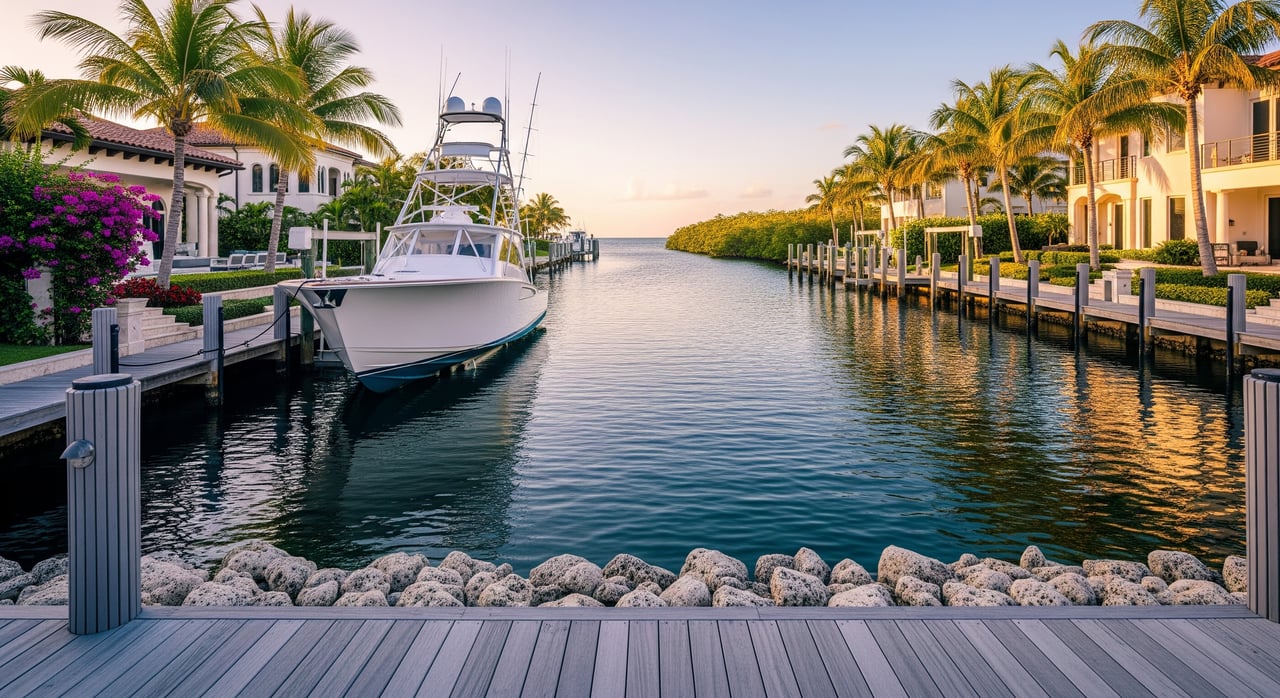
If you love to boat, “gulf access” is more than a buzzword. It shapes how quickly you can get from your dock to open water, what size boat works at your property, and how easy your lifestyle feels day to day. In Royal Harbor, those details can vary from canal to canal, so it pays to understand what the term really means before you buy. By the end of this guide, you’ll know how gulf access works here, what to verify on a specific property, and how it can influence value and enjoyment. Let’s dive in.
What “gulf access” means here
Gulf access describes whether a boat at your dock can reach the Gulf of Mexico under its own power without trailering. In Royal Harbor, most homes sit on private canals that feed into Naples Bay, then out to the Gulf through the local pass area often referred to as Gordon Pass or Naples Pass. Travel time, depth, and any bridge constraints depend on the exact canal and route you take.
In practice, you want to evaluate obstructions, canal width and depth, and the distance from your dock to open water. A property with a clear route and adequate dimensions for your boat will feel effortless to use. One with constraints may still work, but it will change how you plan outings.
Direct vs. indirect access
Direct access means no fixed low bridges or locks stand between your dock and open water. This usually brings shorter run times, fewer delays, and more spontaneous boating. It is especially convenient for day trips, sunset cruises, and quick runs to the pass.
Indirect access involves fixed low bridges, scheduled drawbridges, narrow or shallow stretches, or other pinch points. These can limit your boat’s height, length, or beam and may cause wait times or timing considerations. Some buyers are fine with that tradeoff, but it is important to confirm the details before you commit.
What this means in Royal Harbor
Many Royal Harbor canals offer open-water routes to Naples Bay with no private locks. That said, each property can be different. Canal width, depth at low tide, and any bridges along your route to the pass will determine what boat sizes and profiles are practical.
If you have a larger vessel or a boat with significant air draft, verify whether your canal is a through-canal with adequate turning basins or a shorter dead end. The turning room, dock length, and permitted footprint all affect how comfortable docking and maneuvering will be.
Mapping your route to the Gulf
Your daily experience depends on the exact path from your dock to Naples Bay and then out through the pass. Start by identifying your canal exit and the main channel you will use. Then estimate the run time at typical speeds, especially if any slow zones apply.
Confirm the route’s bottlenecks, like narrow bends, shallow areas, or bridge points. The goal is a clear picture of whether your boat can transit comfortably at typical tides and how much time it takes to reach open water. If you plan to own a larger boat, a practical trial run at representative tide conditions is a smart step.
Bridge clearances and tides
A boat’s air draft is the height from the waterline to its tallest fixed point. Compare that to the vertical clearance of any fixed bridge on your route. Published bridge heights are commonly listed at mean high water. Tides, seasonal variations, storm surge, and wind can lower actual clearance.
Movable drawbridges may open on a schedule or by request, and some have limited hours at night or during high road congestion. If your boat needs an opening, learn the operating rules in advance. When in doubt, use official charts and tide predictions to calculate realistic clearance before you attempt a transit.
Canal width, depth, and boat size
Your canal’s width and depth shape what boat you can keep at home. Depth at mean low water helps you understand everyday usability. Width and turning basins determine whether a longer or wider boat can pivot and dock safely without stress.
- Small runabouts and center consoles under 25 feet typically fit most private docks and narrower canals.
- Mid-size powerboats from 25 to 40 feet need adequate dock length, a comfortable turning radius, and enough depth at low tide. Direct access without low bridges is ideal.
- Large cruisers and sportfish yachts of 40 to 60 plus feet benefit from deeper water, wider canals, and generous turning basins. Proximity to a marina for services can be a plus.
- Masted sailboats are governed by air draft and depth. Even if length and beam fit, a low fixed bridge can be a hard limit.
Lifestyle impacts to consider
Direct access supports spontaneous trips and quick runs to the Gulf. Indirect access can work well for planned outings but may require timing around bridges or tides. If you entertain often or prefer short-notice boating, that difference matters.
Larger vessels may require haul-out and maintenance at nearby marinas, while smaller boats are often easy to maintain at a private dock. For storm planning, consider how easily you can move or secure your boat in advance of severe weather. Narrow or shallow canals can complicate evacuation.
Permits, environment, and local rules
In Collier County, docks, seawalls, and dredging typically require permits. Some projects may also need state submerged lands authorizations. Environmental protections like seagrass setbacks and manatee speed zones can influence how and where you navigate and what you can build.
If a canal needs maintenance dredging, expect permitting and potential environmental constraints. Seasonal or temporary closures tied to construction or restoration can also impact transit. Before you plan improvements, verify current rules and any recorded easements or maintenance obligations for your canal.
Insurance and flood factors
Waterfront properties often sit in mapped flood zones, which can affect insurance premiums and elevation requirements for structures. Wind and hurricane coverage is a key part of total carrying costs in coastal areas.
Boat insurance rates and availability can reflect where you launch, how far you are from open water, and your hurricane plan. If you are selecting between two similar properties, these practical considerations may tip the balance.
Resale value and market appeal
Homes with reliable, unobstructed routes and short run times to the Gulf tend to attract buyers who value boating convenience. For that segment, these features can support stronger resale appeal. Clear access, usable depth at low tide, and practical dock dimensions are frequent decision drivers.
Limits such as low fixed bridges, shallow or very narrow canals, and strict dock footprint constraints can reduce interest from larger boat owners or masted vessels. On the other hand, proximity to marinas, fuel, and service can broaden appeal when a private dock has limits. Documented maintenance, accurate canal information, and clean permitting records help buyers feel confident.
Buyer checklist for Royal Harbor
Use this quick checklist to verify a specific property:
- Confirm the route from the dock to Naples Bay and the pass. Note any bridges or bottlenecks.
- Review official charts for depths at low tide and mark any obstructions.
- Check tide predictions against your boat’s air draft to confirm clearance.
- Measure dock length, depth at low tide, and turning room to set practical LOA and beam limits.
- Ask about dredging history, maintenance duties, and any shared easements.
- Verify permit status for the existing dock and feasibility for planned changes.
- Identify speed and manatee zones along your route and how they affect travel time.
- Discuss property and boat insurance implications with your providers.
- For larger or masted boats, plan a trial transit at representative tide conditions.
- Map nearby marinas for haul-out, maintenance, repair, and fuel.
How we help you buy confidently
You deserve clear answers before you invest in a gulf-access home. With deep neighborhood expertise across Naples waterfront communities, construction-informed guidance, and a concierge approach, you get a practical plan for evaluating access, permits, and property readiness. We help you weigh route details, dock potential, and lifestyle tradeoffs so you can choose the right fit with confidence.
If you are exploring Royal Harbor or comparing canals, connect with the Mauceli Grech Group to map options, validate access, and align the property with your boating goals. Schedule a Private Consultation and move forward with clarity.
FAQs
What does “gulf access” mean in Royal Harbor?
- It means a boat at your dock can navigate from your canal into Naples Bay and out through the local pass to the Gulf without trailering, subject to bridge, depth, and route constraints.
How fast can I reach the Gulf from Royal Harbor?
- Travel time varies by canal location, boat speed, and slow zones. Direct, unobstructed routes with adequate depth and no low bridges usually deliver the quickest runs.
Will a fixed bridge limit my boat choice?
- Yes. Low fixed bridges restrict air draft and can rule out larger flybridge models or masted vessels. Compare your boat’s height to published clearances at mean high water.
Does tide impact my ability to transit?
- Yes. Tides influence both vertical clearance at bridges and usable depth in shallow stretches. Check predicted tides for your planned departure and return times.
What should I check at the dock itself?
- Measure dock length, depth at low tide, and turning room in the canal. These determine the practical maximum length and beam you can handle comfortably.