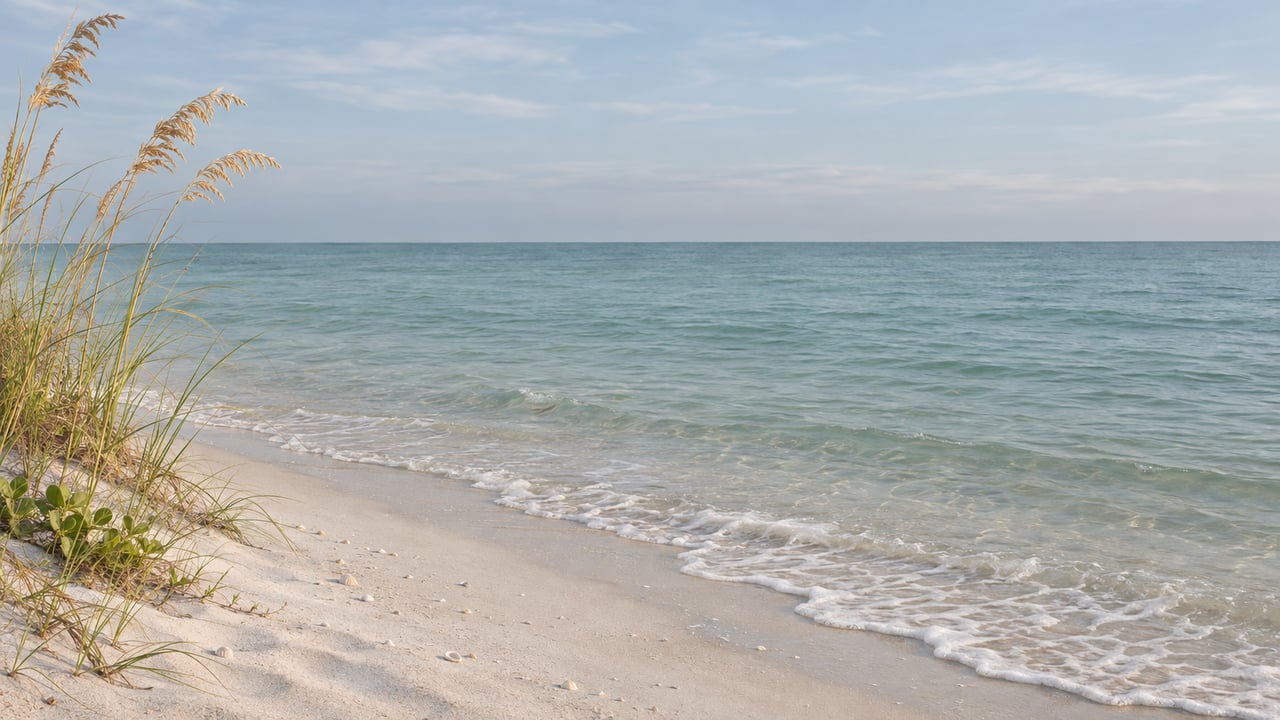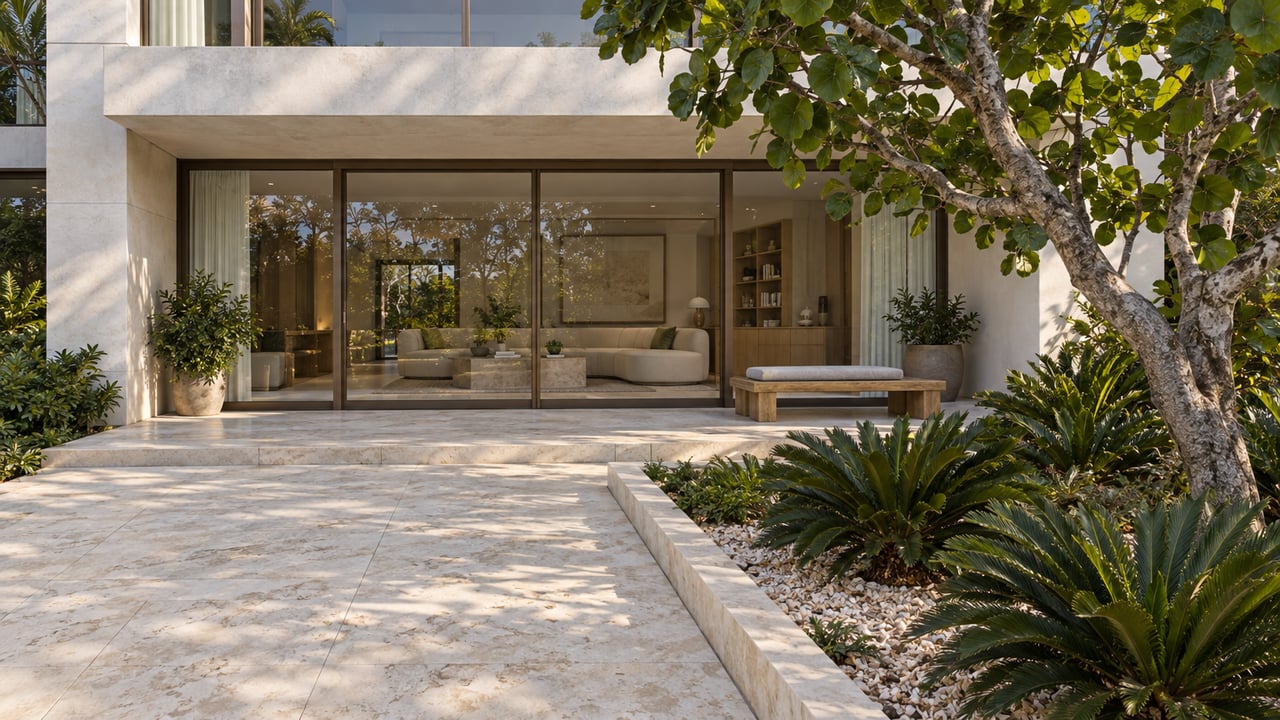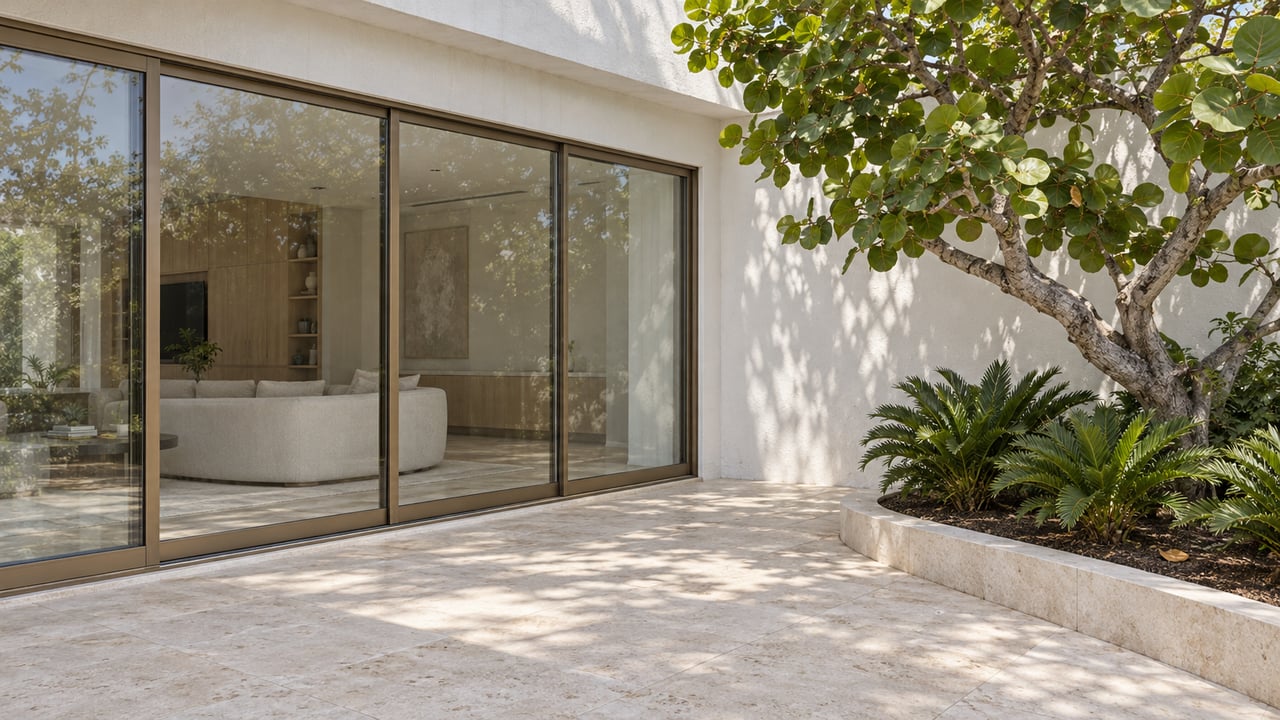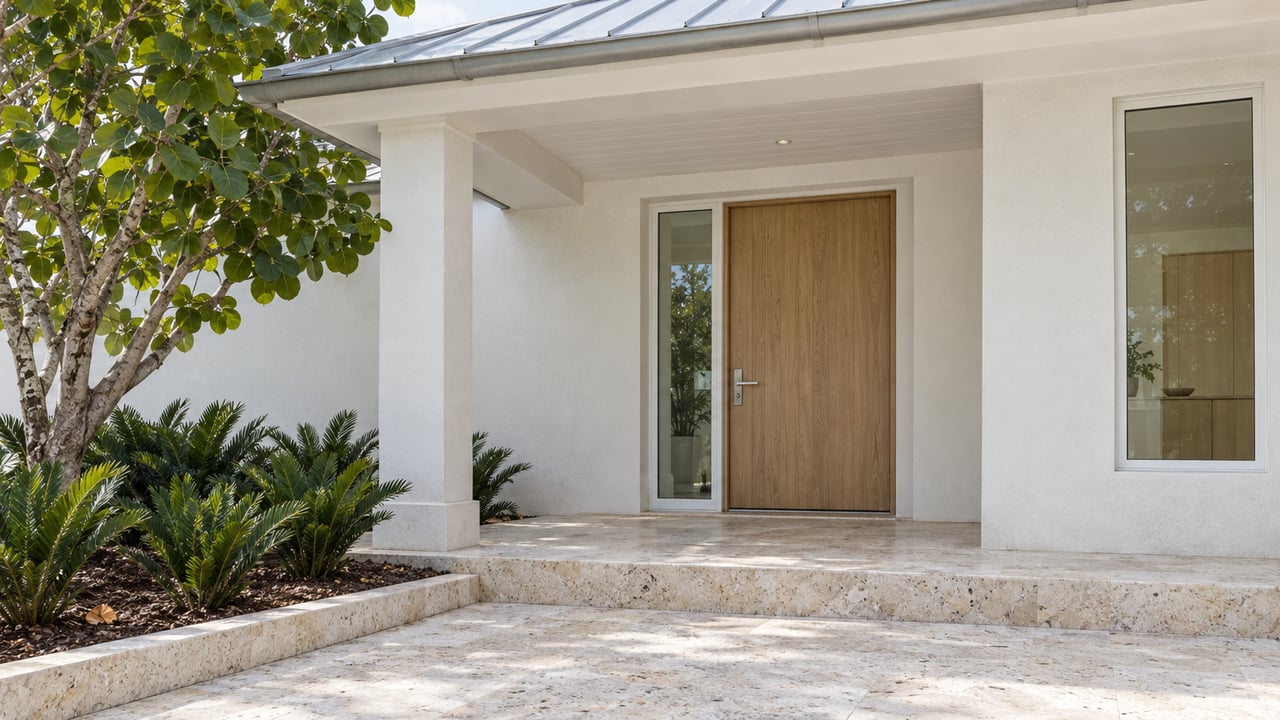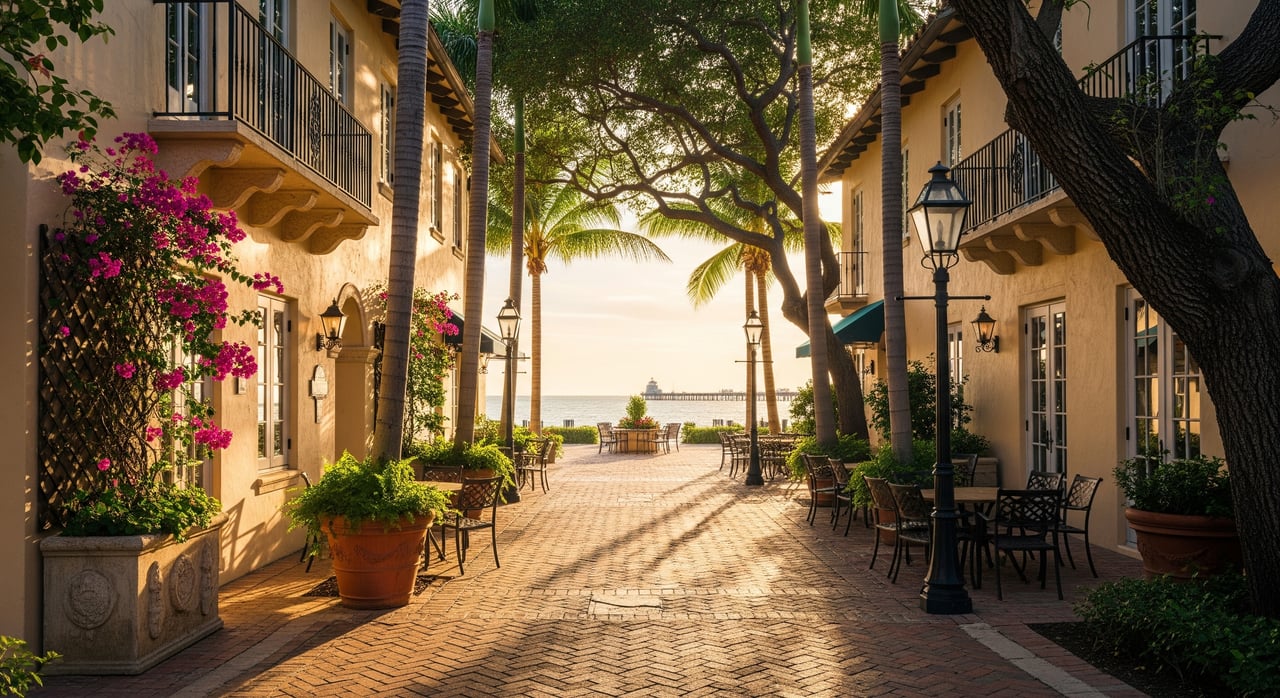
Picture this: you step out your front door and within 10 minutes you can be on the sand at the Pier, sipping coffee on Fifth Avenue South, or crossing Cambier Park to an evening concert. If you are considering Olde Naples for a car-light lifestyle, you want to know what “walkable” really means here block by block. In this guide, you’ll learn typical walking times, how the street grid supports daily errands, what to expect with parking and seasonality, and how building types influence your experience. Let’s dive in.
Olde Naples walkability basics
Olde Naples sits along the Gulf with a compact, small‑block grid that makes walking natural and efficient. Streets are short and closely spaced, which keeps destinations close together and routes simple. The neighborhood’s core includes the beachfront, the Naples Pier, Fifth Avenue South, Third Street South, and nearby parks.
Walkability varies by address. Properties closest to the core corridors and the Pier provide the most seamless experience. Homes and condos a few blocks inland are still walkable, but you may add brief street crossings or a few extra minutes to each trip.
Typical walking times
From many central Olde Naples addresses, you can usually reach primary destinations within about 5 to 15 minutes on foot. This includes Fifth Avenue South, Third Street South, the Naples Pier and beach access points, and Cambier Park. Exact times depend on your specific block and preferred route.
If walkable living is a priority, map your key routes and try them at different times of day. The experience changes between quiet mornings, dinner hours, and peak season evenings when foot and car traffic increase.
Where you can walk
Fifth Avenue South
Fifth Avenue South functions as the neighborhood’s main street. You will find restaurants, cafés, boutiques, galleries, and services tucked into short blocks with frequent storefronts. The pedestrian feel is strongest during the day and early evening. Expect heavier foot and vehicle activity during dinner hours and high season.
Third Street South
Running parallel to Fifth, Third Street South offers a complementary mix of dining and boutique shopping. The streetscape is designed for strolling, window shopping, and quick stops. Many residents rotate between Third and Fifth for daily routines and special events.
Beaches and the Naples Pier
Beach access is one of Olde Naples’ biggest walkability perks. The Naples Pier serves as a central landmark, but public access points along the shoreline also offer quick, flat routes to the sand. Availability of public parking varies by block, which is another reason living nearby can simplify beach days on foot.
Parks and cultural spots
Cambier Park sits near Fifth Avenue and acts as a community hub with events and recreation. Small parks and plazas throughout the area create pleasant, shaded pauses on everyday routes. Galleries and community venues add to an event-based walking rhythm, especially during season.
Everyday services
Grocery, pharmacy, banking, and medical offices are available within the broader downtown area. Some are an easy walk, while others may be a short drive depending on your exact address. If you want a car-light routine, list your essentials and confirm their walk times from any property you are considering.
Housing types and your daily experience
Condos and mixed‑use buildings
Low‑ and mid‑rise condos are common near the waterfront and along the core corridors. Mixed‑use buildings with ground‑floor retail and homes above put daily needs at your doorstep, which boosts on‑foot trips. Condos typically include assigned resident parking, often with limited guest spaces that are governed by association rules.
Historic cottages and single‑family homes
You will find historic cottages and remodeled bungalows throughout Olde Naples. These homes can offer quick sidewalk access and a cozy street presence. Older properties may have limited on‑site parking, which nudges more walking but can be a consideration if you have multiple cars or frequent guests.
Newer infill and luxury condos
Selective infill and newer condominium projects add density and modern amenities, within local zoning controls. Taller buildings introduce elevator access and entries set back from the main sidewalk. Ask about lobby location and pedestrian entries if you value fast street access.
Parking, transit, and getting around
Street and public parking
Near Fifth and Third, street parking is metered and in demand. Public lots exist but fill quickly during events and high season. If you live close enough to walk, this becomes a quality-of-life upgrade, especially during the busiest months.
Condo and guest parking rules
Many buildings provide assigned resident spaces and limited guest options. Rules vary widely by association and can include guest permits, time limits, or fees. Before you buy, confirm the number of deeded or assigned spaces, guest availability, and how deliveries or move-ins are handled.
Transit, rideshare, and bikes
Local bus service operates in Naples with limited frequency compared with larger cities. Seasonal shuttles or event trolleys may run during peak months, and rideshare services are readily available for last‑mile trips or evening returns. Bike lanes are limited in parts of Olde Naples, and cycling is more common for leisure than for daily commuting.
Deliveries and services
Historic blocks sometimes have narrow drives and limited off‑street space. This can affect moving trucks, contractor access, and oversized deliveries. Check building or HOA rules for loading, storage of bikes or kayaks, and any time windows that apply to service vehicles.
Climate, flooding, and resilience
Seasonal comfort
Summer brings heat, humidity, and frequent afternoon thunderstorms that reduce walking comfort. Shade trees, awnings, and covered passages make a difference in July and August. The most pleasant walking months typically run from October through April.
Flooding and insurance
Olde Naples is low‑lying and adjacent to the Gulf. Some areas are susceptible to coastal flooding and storm surge. Flood zone designation and elevation can influence insurance costs, entry design, and how quickly sidewalks and routes are usable after storms. Review FEMA flood maps, elevation certificates, and typical premiums for any property you are evaluating.
Hurricane season planning
From June through November, hurricane season can affect walkability with temporary closures or detours. Properties with resilient features such as elevated construction or hardened entries may return to normal walking patterns more quickly after events.
How to evaluate a specific address
Use this quick checklist to test walkability where it matters most to you:
- Map your destinations. Are your favorite restaurants, the Pier, parks, and essential services within a 5 to 15 minute walk?
- Walk at different times. Test morning coffee runs, lunch hours, and dinner in both high and low tourist seasons.
- Review parking. Confirm how many spaces you have, whether they are deeded or assigned, and what guest rules apply.
- Confirm deliveries and moves. Ask how move‑ins, contractors, and oversized packages are handled.
- Inspect the route. Look for continuous sidewalks, safe crosswalks, curb ramps, lighting, and shade.
- Check building rules. Ask about short‑term rental policies, bike storage, trash collection points, and whether pickup blocks sidewalks.
- Evaluate resilience. Verify flood zone, elevation, evacuation routes, and nearby emergency services.
Who thrives in walkable Olde Naples
If you want daily beach time, dinner on foot, and an easy stroll to parks and galleries, Olde Naples can fit your lifestyle. Condo buyers often enjoy immediate access to the core corridors with minimal car use. Single‑family buyers can still have strong walkability, especially within a few blocks of Fifth, Third, and the beach.
If you are balancing car ownership with limited parking, living in the core can be a smart tradeoff that favors walking. If you host frequent guests, prioritize buildings with clear guest parking policies and nearby public options.
Plan your move with local guidance
Walkable living is about more than a map. Your daily experience hinges on micro‑location, building rules, and seasonal patterns. Our team pairs deep neighborhood insight with practical construction knowledge to help you compare addresses, understand parking and mobility tradeoffs, and plan any updates that improve day‑to‑day comfort. When you are ready to explore the best fit, connect with the Mauceli Grech Group for a private, concierge‑level consultation.
FAQs
What does “walkable” mean in Olde Naples specifically?
- It typically means a 5 to 15 minute walk to Fifth Avenue South, Third Street South, the Naples Pier or beach access, and parks like Cambier Park, depending on your exact block.
Are grocery and pharmacy options within walking distance?
- Some are, but it depends on the property. Map your essential stops from the address to confirm whether everyday errands are realistic on foot.
How challenging is parking near Fifth Avenue South and Third Street South?
- Street and lot parking are in high demand, especially during dinner hours, events, and peak season. Living close enough to walk often saves time and stress.
What should I verify about condo parking before buying?
- Confirm how many resident spaces you have, whether they are deeded or assigned, guest parking rules and permits, and procedures for deliveries and move‑ins.
How does the summer climate affect daily walking?
- Hot, humid conditions and afternoon storms can limit midday trips. Shade, tree cover, and awnings along your routes help, and October through April is most comfortable.
Is flooding a concern for walkable routes in Olde Naples?
- Some areas are susceptible to coastal flooding and storm surge. Flood zones, elevation, and post‑storm recovery can affect sidewalks and beach access after severe weather.
Are bikes or transit practical substitutes for walking?
- Bikes are common for leisure and short hops, though dedicated lanes are limited in some spots. Local bus service is available with limited frequency, and rideshare fills the gaps.